.jpg)
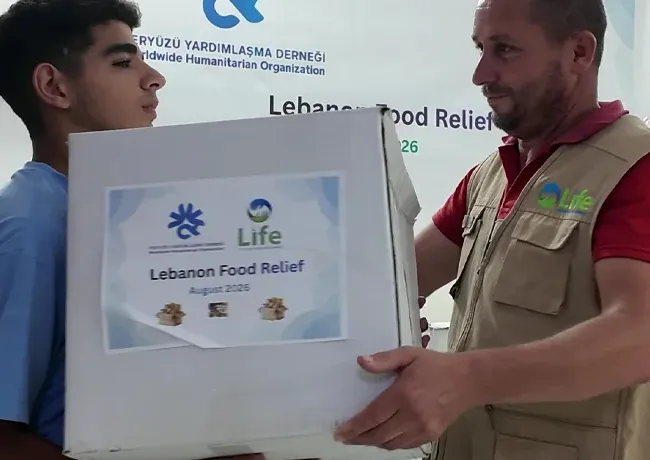
WWHO expands food support for vulnerable families
New food distributions are helping families access essential meals with dignity.
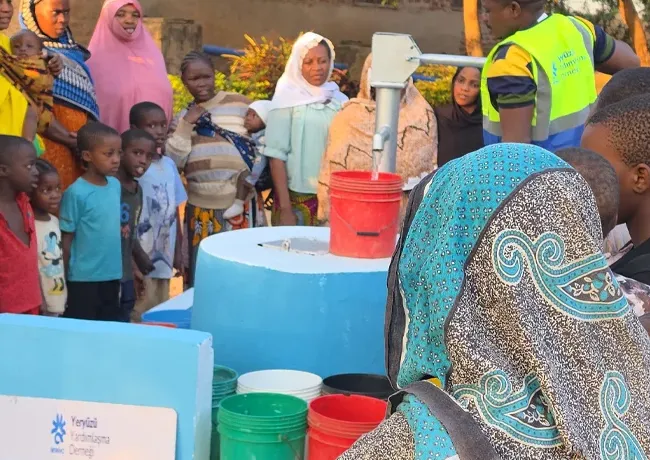
WWHO continues to expand its humanitarian response efforts to support vulnerable families facing displacement, poverty, and limited access to essential services. Through coordinated field activities and community-based partnerships, the organization works to ensure that humanitarian assistance reaches families with dignity, care, and long-term impact.
Recent interventions focused on improving access to food support, healthcare services, psychosocial assistance, and child wellbeing activities in underserved communities. Mobile teams and local volunteers played a key role in identifying urgent needs, delivering direct assistance, and maintaining close communication with affected families.
The initiative also emphasized the importance of sustainable humanitarian action by integrating emergency response with community resilience and protection-focused programming. Families received support that not only addressed immediate challenges, but also contributed to restoring stability, safety, and hope during difficult circumstances.
Women and children remained at the center of many field activities, including awareness sessions, wellbeing initiatives, and access to safe support spaces. These interventions aimed to strengthen community connection, emotional wellbeing, and protection for individuals most affected by crisis and instability.
WWHO reaffirmed its commitment to delivering humanitarian assistance guided by dignity, accountability, compassion, and community participation. The organization continues to work closely with local partners and humanitarian actors to expand its reach and improve the quality of services provided to vulnerable communities.
As humanitarian needs continue to grow, WWHO remains dedicated to building responsive and impactful programs that combine emergency support with long-term recovery and community empowerment.
.jpg)


Related Stories